
Profound Encounters With The Spiritual Essence of India
“Are you a Tourist or a Pilgrim? Both are on a journey. While the Tourist satisfies the senses, the Pilgrim is on a quest for truth.” Gurudev, Sri Sri Ravi Shankar
THE JOURNEY
22 November - 6 December 2026
A transformative journey through South India combining Ayurveda, yoga, breathwork, meditation, sacred traditions and authentic travel experiences
starting from £1,990
Your Journey at a Glance
Bangalore → Mysore → Wayanad → Kannur → Cherai → Fort Kochi
Beginning at the renowned Art of Living Ashram near Bangalore and ending on the peaceful backwaters of Kerala, this carefully curated journey blends spiritual practice, Ayurvedic well-being, cultural exploration, and time for rest and reflection.
Arrival & Connection
Bangalore - Art of Living Ashram
- 5 nights at the Art of Living International Centre
-
Sudarshan Kriya and Sahaj Samadhi Meditation
- Yoga and well-being practices
-
Ayurvedic consultations and treatments
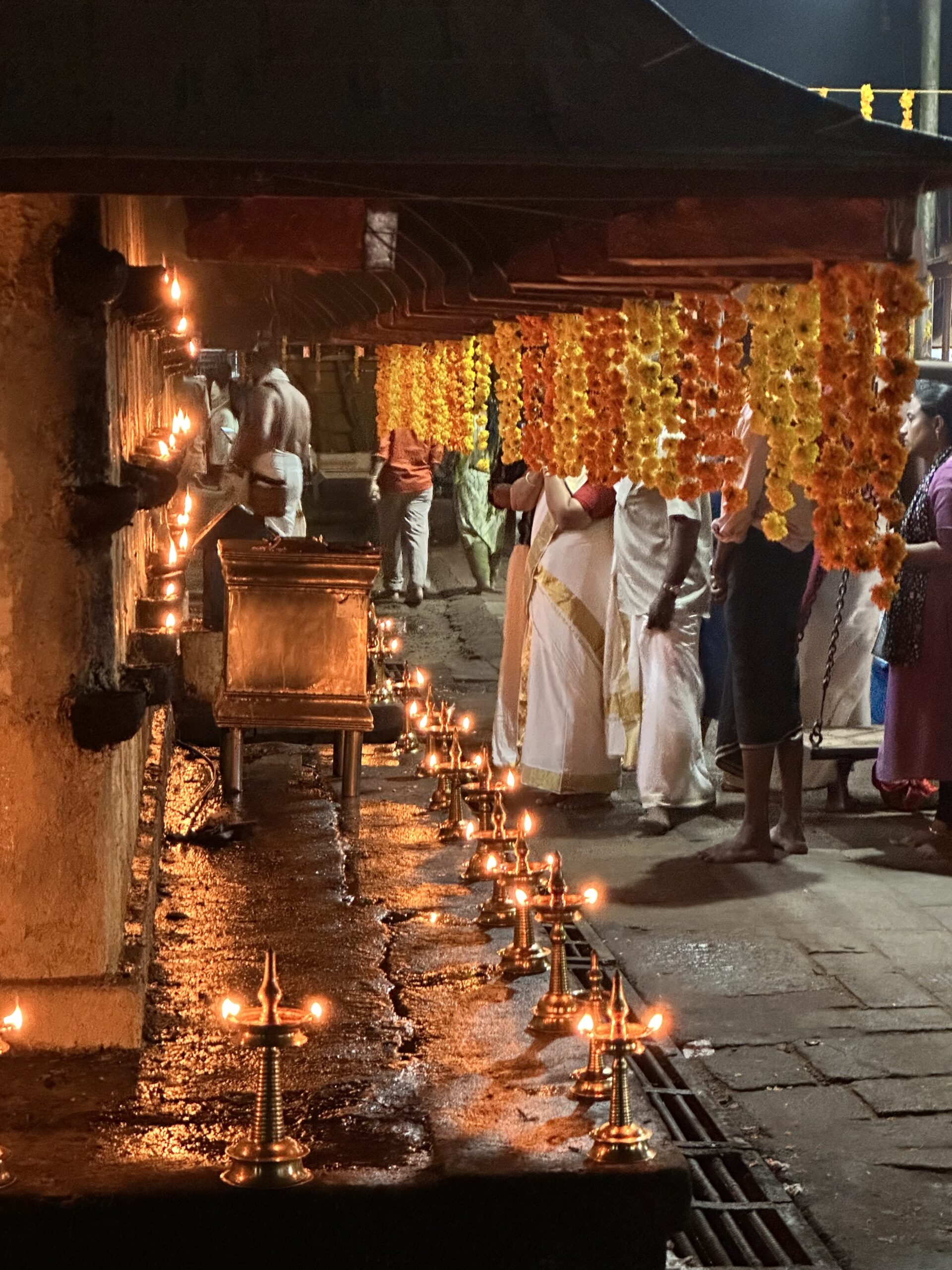
- Sacred Vedic ceremonies and evening Satsangs

Exploration & Immersion
Mysore - Wayanad - Kannur
Mysore
- Palaces and sacred temples
- Rich cultural heritage
- A gateway to Karnataka’s spiritual and cultural traditions
Wayanad
- Spice plantations
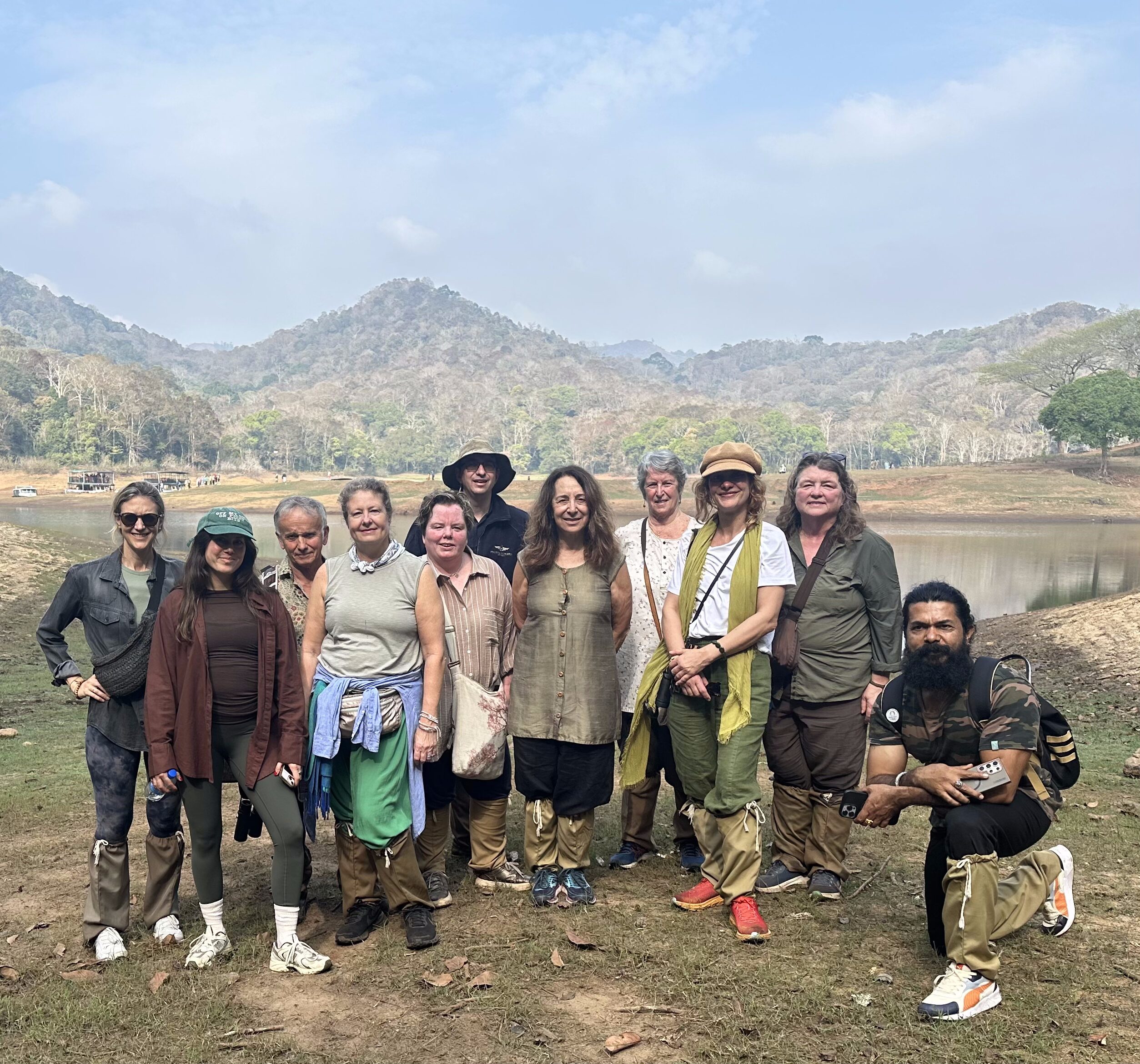
- Diverse wildlife and natural beauty
- Lush landscapes in the Western Ghats
Kannur
- Traditional Keralan culture
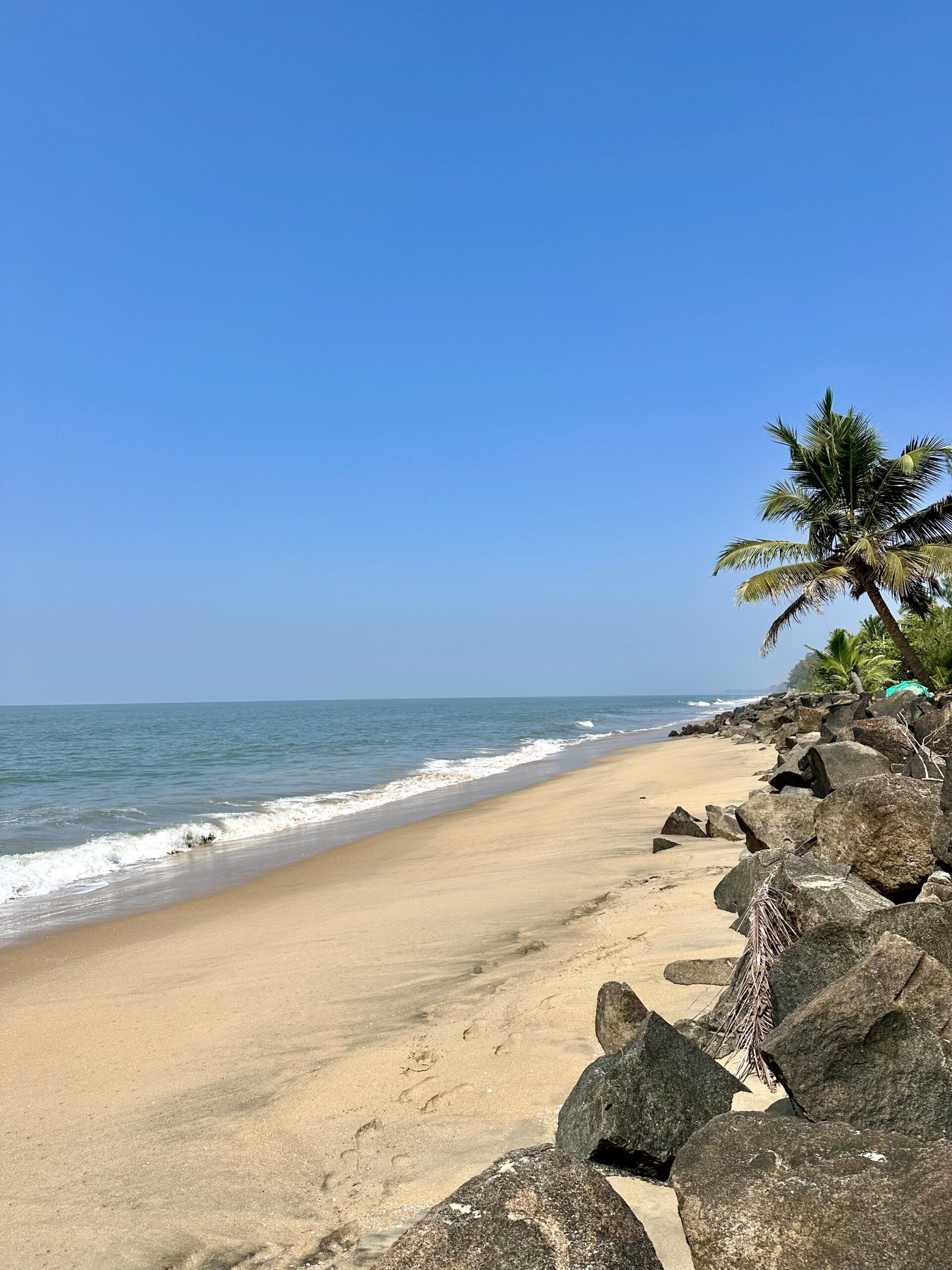
- Beautiful beaches
- A relaxed coastal atmosphere
While exploring Mysore, Wayanad and Kannur, we will do our best to maintain our daily yoga, Sudarshan Kriya (breathwork) and meditation practices. Whether on rooftops, beside the sea, or surrounded by nature, these moments of connection help create a sense of continuity and balance throughout the journey, as we immerse ourselves in the culture, landscapes and traditions of South India.


Renewal & Integration
Cherai & Fort Kochi
A gentle conclusion to the journey, combining Ayurveda, relaxation, culture and the natural beauty of Kerala’s coastline and backwaters
Cherai
- Ayurvedic treatments and therapies
- Peaceful beaches and coastal walks
- Time for rest, reflection and wellbeing
Fort Kochi
- Historic streets and colonial architecture
- Vibrant arts, culture and local cuisine
- Exploring one of Kerala’s most characterful destinations
The final stage of our journey allows time to slow down and absorb the experiences of the previous 10 days. Surrounded by the beauty of Kerala’s coastline and backwaters, we enjoy Ayurvedic treatments, cultural exploration and moments of quiet reflection before returning home.

A Typical Day
While every day is different, most days include a balance of wellbeing practices, cultural experiences, exploration and time to relax.
Morning
- Yoga
- Sudarshan Kriya
- Sahaj Samadhi Meditation
- Breakfast with the group
Daytime
- Ayurvedic consultations and treatments
- Cultural visits and sightseeing
- Exploring temples, nature, and local communities
- Time to rest and enjoy your surroundings
Evening
- Shared meals
- Satsang and reflection
- Yin Yoga or Yoga Nidra (where possible)
- Time to connect, relax, and unwind
Throughout the journey, we will do our best to maintain our daily practices whilst remaining flexible and responsive to the opportunities and experiences each destination offers.


Glossary
Our explanation of some of the terms you will hear on your India Calling trip, from Ayurveda to the Ashram.
Ayurveda
Knowledge of life” or “Science of life”, Ayurveda is made up of two Sanskrit words: ‘Ayu’ meaning life, and ‘veda’ meaning knowledge or wisdom. Ayurveda is a holistic system of Indian medicine offering guidance regarding food and lifestyle, personalised to the individual. It is preventative as much as it is curative.
Dosha
In Ayurveda it is understood that there are 3 bio-energetic forces that govern bodily functions, personality traits and overall traits. These are known collectively as the doshas. The three doshas are: Vata, Pitta and Kapha, which are made up different combinations of the 5 natural elements. Vata: Air and Space, Pitta: Fire and Water, Kapha: Earth and Water. While we are all 3 doshas (and all 5 elements), there is usually always a dominant or primary dosha. In addition, there may be an imbalance, which Ayurvedic doctors will then seek to reduce, using appropriate Ayurvedic treatments to eventually bring the system back into balance and wholeness.
Prakriti
Your natural constitution – your primary dosha.
Vikriti
Your current state of imbalance – dosha-wise.
Satsang
The literal meaning of satsang is, ‘being in the company of truth’. ‘Sat’ means truth or absolute reality, and ‘sanga’ means association or company. In the Ashram or even beyond, we experience Satsang as coming together as a group, usually with music, a talk or discussion and meditation. In the Ashram, we attend satsang in the evening dinner. Meditation before meals, helps support healthy digestion too.
Sudarshan Kriya
Come to India and find out! As a definition however, ‘su’ means self, and ‘darshan’ means true or proper vision. ‘Kriya’ is cleansing action. The Sudarshan Kriya is so much more, but as a literal translation, the meaning is, true, or proper vision of the self.
Sanskrit
Sanskrit is one of the oldest languages, which was passed down orally. There is much meaning or energy felt in the vibration of the sounds spoken. There are even chants that yogis and healers still use to this day to bring energetic centres back into balance. While translating the terms into English gives us non-Sanskrit speakers an understanding, it is more helpful to the body-mind complex to continue to use the Sanskrit terms. Incidentally, 70% of the English language originates from Sanskrit.
INDIA AWAITS YOU!
Secure your place with a deposit
Contact Us
We are available to answer any of your questions.
Ivan@indiacalling.co.uk | 07791 234562
Stefanie@indiacalling.co.uk | 07516 313502
“May you travel safely, arrive refreshed, and live your time away to its fullest; Return home more enriched, and free, to balance the gift of days which call you.”
extract from For the Traveller by John O’Donohue